Introduction: Understanding COB vs SMD LED Display Technology
When choosing an indoor LED wall for an office, showroom, auditorium, conference room, or commercial space, one important decision is selecting the right LED display technology. COB and SMD are two commonly discussed technologies in modern indoor LED displays, and both have different construction methods and characteristics.
The main difference between COB and SMD LED displays is how the LED chips are packaged and mounted onto the display circuit board. This difference can influence pixel density, surface protection, image appearance, maintenance methods, and the applications for which a display is suitable.
If you are comparing a COB vs SMD LED display for your business, understanding these differences can help you make a more informed decision. In this guide, we explain both technologies, compare their features, and discuss how to choose an indoor LED wall according to your viewing distance, installation environment, and project requirements.
What Is an SMD LED Display?
SMD stands for Surface-Mounted Device. In an SMD LED display, individual packaged LED components are mounted onto a printed circuit board using surface-mount technology. These components contain the red, green, and blue LED elements that work together to produce different colours and images.
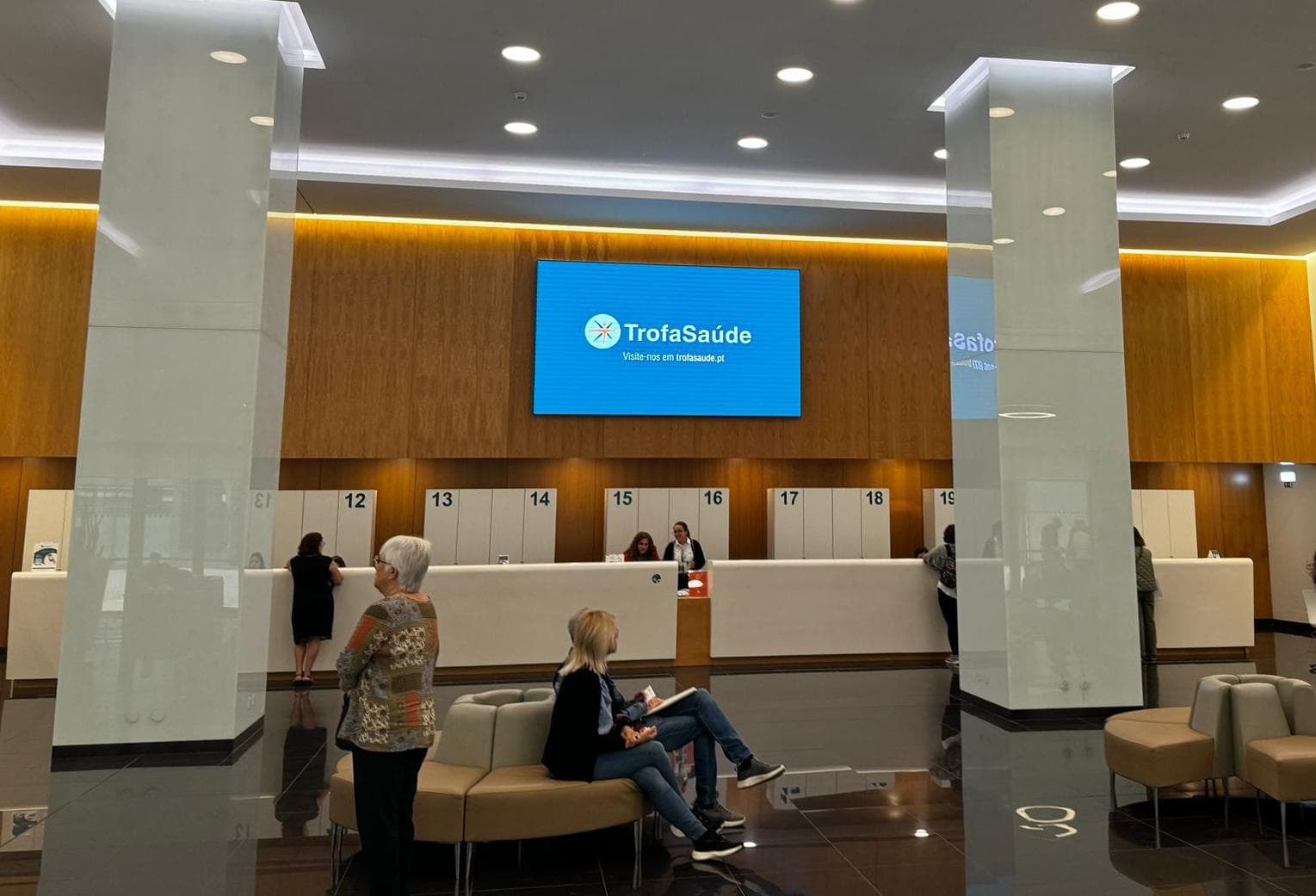
SMD LED display technology is widely used in commercial LED screens because it supports a broad range of pixel pitches, screen sizes, and display configurations. It is suitable for many indoor applications, including retail stores, shopping malls, educational institutions, event venues, and corporate environments.
Another practical characteristic of SMD technology is its familiar servicing approach. Depending on the module design, individual LED components or complete modules can be replaced during repairs. This can make certain types of maintenance more straightforward.
For businesses looking for a flexible indoor LED screen for advertising, presentations, events, and general visual communication, SMD can be a suitable option when its specifications match the installation requirements.
What Is a COB LED Display?
COB stands for Chip on Board. Unlike SMD technology, which uses individually packaged LED components, COB technology places bare LED chips directly onto a substrate or printed circuit board. The chips are then electrically connected and covered with a protective encapsulation layer.
This construction creates a more integrated display surface. COB LED displays are particularly relevant for fine-pitch indoor applications where viewers sit or stand relatively close to the screen and detailed visual content is important.
The integrated surface can also provide additional protection against direct contact and dust compared with many conventional exposed SMD module designs. However, the actual protection level depends on the encapsulation, product construction, and manufacturer's specifications.
COB LED technology is often considered for premium indoor installations such as corporate meeting rooms, control rooms, conference spaces, studios, and other environments where close viewing and a refined display surface are important.
COB vs SMD LED Display: Key Differences
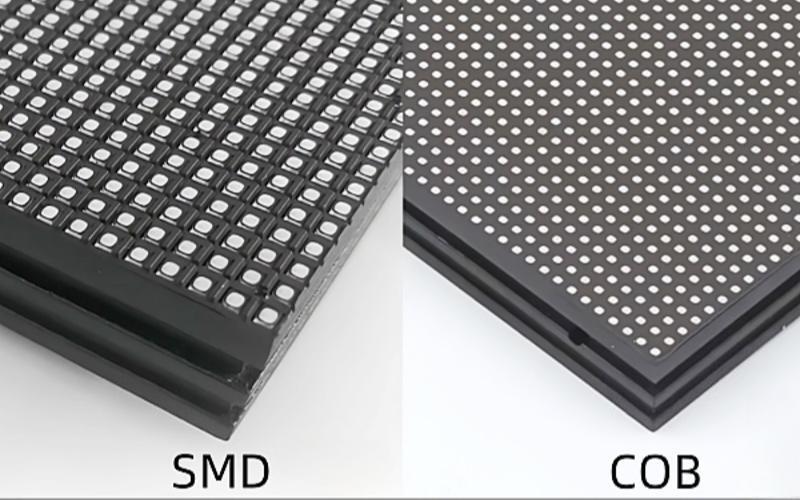
Packaging structure: COB mounts bare LED chips directly onto the board and protects them with an encapsulation layer. SMD uses separately packaged LED components mounted onto the circuit board. This is the fundamental difference between the two technologies.
Display surface: COB generally provides a more integrated and continuous surface. SMD displays have individual LED packages visible on the module surface, although the final appearance also depends on package design, mask, and module construction.
Pixel pitch: COB is particularly useful for fine-pitch display designs and high pixel density. SMD technology also supports a wide range of pixel pitches, including fine-pitch configurations. The right option should be selected according to the required resolution and viewing distance.
Surface protection: The encapsulated surface of a COB LED module can provide additional resistance to physical contact and dust. Standard SMD modules may have more exposed LED packages, although protective treatments and module designs can improve their protection.
Maintenance: SMD modules can allow individual LED-level repairs in suitable designs. COB repairs may require specialised procedures or replacement of the affected module. Always confirm the manufacturer's actual repair and service policy.
Initial investment: COB fine-pitch products can have a higher initial cost depending on their specifications and construction. SMD can offer economical options across many display sizes and pixel pitches. Compare complete project quotations rather than technology labels alone.
Application: COB is particularly relevant for fine-pitch, close-viewing indoor installations. SMD is a versatile technology used across many indoor, outdoor, commercial, and rental display applications.
Advantages of COB LED Displays
Suitable for fine-pitch applications: COB technology allows manufacturers to arrange LED chips in compact configurations, making it useful for indoor screens that require high pixel density and detailed visuals.
Integrated protective surface: The encapsulation layer covers the LED chips and can help protect the display surface from dust and accidental contact during normal use. The level of protection should always be checked against the actual product specification.
Close-viewing applications: COB LED displays can be considered for meeting rooms, control centres, studios, and premium commercial interiors where people view the screen from relatively short distances.
Refined display appearance: Its integrated construction can create a smooth and uniform-looking surface. Actual contrast, brightness, colour accuracy, and image quality still depend on the complete display system and calibration.
Advantages of SMD LED Displays
Wide range of applications: SMD technology is used in many types of indoor and outdoor LED displays. It offers flexibility for different screen sizes, pixel pitches, and installation requirements.
Established technology: SMD is a mature LED packaging approach with widely used manufacturing and servicing processes. This can make it a practical option for many commercial display projects.
Flexible maintenance options: Depending on the module design, technicians may be able to replace individual LED components or affected modules. Buyers should check the available repair method and spare-parts support.
Multiple configuration options: SMD displays are available in different pixel pitches and brightness configurations, allowing businesses to select a screen according to the viewing environment and content requirements.
Suitable for commercial installations: SMD LED walls can be used in retail stores, shopping malls, auditoriums, exhibition spaces, corporate offices, and event environments.
Which Is Better for Indoor LED Walls: COB or SMD?
There is no single answer to which technology is better. The right choice between a COB and SMD LED display depends on how the screen will be used, how close the audience will be, the required pixel pitch, installation conditions, maintenance expectations, and available budget.
Consider COB if your project requires a fine-pitch indoor LED wall for close viewing, such as a premium boardroom, control room, conference room, or professional studio. Its integrated surface and fine-pitch capabilities may suit these requirements.
Consider SMD if you need a flexible commercial indoor LED screen for retail advertising, shopping malls, auditoriums, exhibitions, or general business communication. Its wide range of configurations can make it suitable for many different installations.
Before making a decision, compare the actual pixel pitch, brightness, refresh rate, viewing angle, colour performance, cabinet construction, warranty, and service arrangements of the proposed displays. A well-designed SMD display may be more appropriate than a COB display for one project, while COB may be the better fit for another.
Where Are COB and SMD Indoor LED Displays Used?
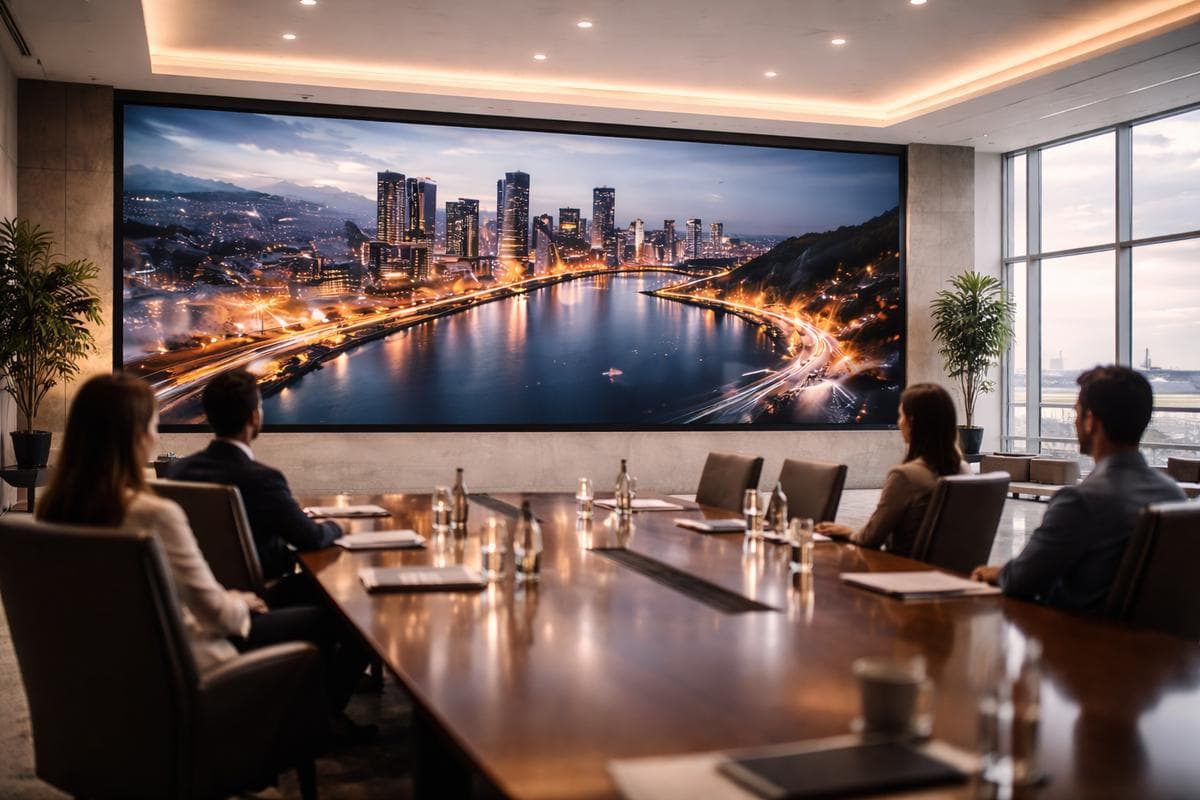
Corporate offices and boardrooms: Indoor LED walls can support business presentations, video conferences, training sessions, and corporate communication. Fine-pitch COB displays may be worth considering when participants view detailed content from nearby seating positions.
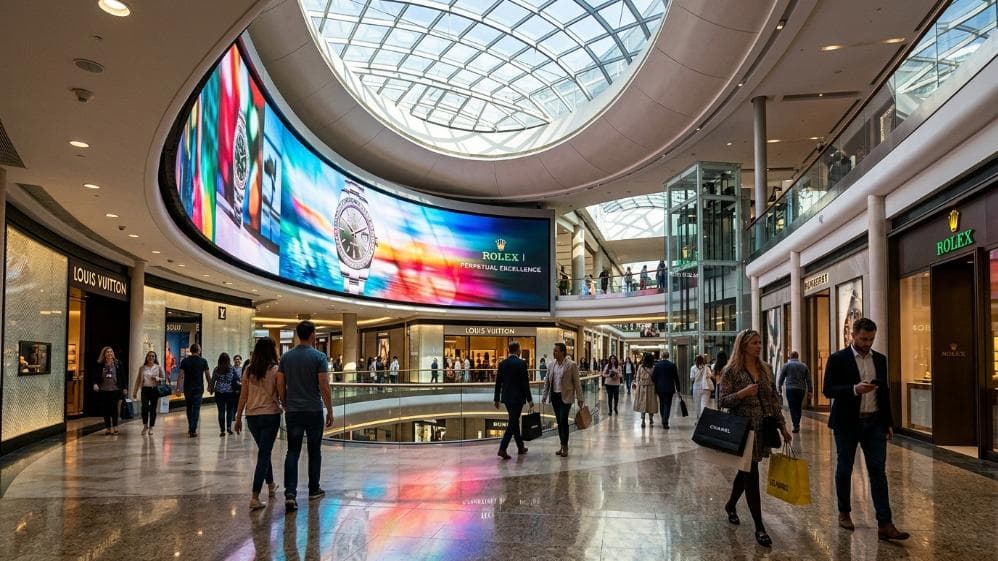
Retail stores and shopping malls: SMD and COB LED screens can both be considered for promotional videos, product launches, brand communication, and digital advertising. Screen size, viewing distance, and the type of content should guide the selection.
Auditoriums and conference halls: Large indoor LED displays can present presentations, event graphics, educational content, and stage visuals. The appropriate technology depends on the audience distance, screen dimensions, and required image detail.
Control rooms and monitoring environments: These spaces often require detailed information to remain visible across extended operating periods. Fine-pitch COB displays can be considered where close viewing and a protected surface are important.
Exhibitions and commercial events: LED displays can create attractive visual backdrops and support product demonstrations. SMD and COB configurations should be evaluated according to the event layout, viewing distance, installation method, and service requirements.
Factors to Consider Before Buying an Indoor LED Display
Pixel pitch and viewing distance: Pixel pitch describes the distance between neighbouring pixels. A smaller pixel pitch provides more pixels within a given screen area, which can help produce detailed visuals at closer viewing distances. Select it according to where the audience will stand or sit.
Screen size and resolution: Decide the required screen dimensions based on the available wall space, content format, audience size, and intended viewing experience. Ask the supplier for the actual pixel resolution of the proposed LED wall.
Brightness and viewing conditions: Indoor displays need suitable brightness for the room's ambient lighting. Excessively bright or poorly configured screens can affect viewing comfort, so compare specifications under relevant operating conditions.
Refresh rate and image performance: If the screen will display videos, presentations, or camera footage, review its refresh rate, grayscale performance, colour calibration, and compatibility with the content system.
Maintenance and warranty: Ask how damaged pixels and modules are repaired, whether front or rear servicing is available, what spare parts are provided, and what the warranty covers.
Total project cost: Consider the display modules, control system, mounting structure, electrical requirements, installation, transportation, maintenance, and after-sales support. The lowest initial quotation may not always represent the best long-term value.
COB vs SMD LED Display: Frequently Asked Questions
What is the main difference between COB and SMD LED displays? COB places bare LED chips directly onto the circuit board and covers them with a protective layer. SMD uses individually packaged LED components mounted onto the board. Their construction affects the display surface, protection, pixel density, and servicing approach.
Is COB better than SMD for indoor LED walls? COB can be a strong option for fine-pitch indoor LED walls and close-viewing applications. SMD remains suitable for many commercial indoor installations. The best option depends on viewing distance, required pixel pitch, specifications, maintenance, and budget.
Which LED display technology is better for close viewing? COB is often considered for close-viewing applications because of its integrated surface and fine-pitch configurations. However, the actual pixel pitch and image performance matter more than the technology name alone.
Are SMD LED displays suitable for indoor use? Yes. SMD LED displays are widely used in indoor advertising, retail stores, shopping malls, conference halls, auditoriums, and commercial environments.
Is COB LED display maintenance-free? No. COB displays still require proper installation, cleaning, inspection, and servicing. Their repair procedures may differ from SMD modules, so buyers should confirm the manufacturer's service arrangements.
Does COB LED technology always cost more than SMD? Not in every possible configuration, but premium fine-pitch COB displays often have a higher initial investment. Actual pricing depends on pixel pitch, screen dimensions, specifications, and product construction.
How do I choose between COB and SMD LED displays? Start with your installation location, viewing distance, screen size, content requirements, and budget. Then compare product specifications, warranty terms, service support, and complete project costs.
Choose the Right Indoor LED Display with Khurana LED
Choosing between COB and SMD LED display technology is an important part of planning an indoor LED wall. Both technologies offer useful characteristics, and the right choice depends on your project's viewing requirements, installation environment, image quality expectations, maintenance arrangements, and budget.
Khurana LED offers both COB and SMD indoor LED display solutions for businesses and commercial projects. Whether you are planning a fine-pitch display for a conference room, an LED wall for a showroom, or a large screen for an auditorium, understanding your requirements can help identify a suitable configuration.
If you are looking for an indoor LED display supplier in Delhi, North India, or elsewhere in India, explore our indoor LED product range and contact Khurana LED to discuss your project. Our team can help you compare available display options and identify a solution based on your screen size, viewing distance, and application.
Topics covered